
Using standardized self-assessment questionnaires can offer valuable insights into your drinking habits and encourage seeking professional help if needed. Knowing the risks and signs of alcohol overdose helps you take prompt action in critical situations. It underscores the importance of responsible drinking and knowing your body’s limits. Alcohol overdose occurs when excessive amounts how long does alcohol stay in your system of alcohol overwhelm the body’s ability to function, affecting vital brain areas that control essential life functions.
How food changes alcohol processing
- When you drink alcohol, it is quickly absorbed in the stomach and small intestines.
- These tests measure breath alcohol concentration by analyzing the alcohol vapor your lungs expel when you exhale.
- BAC is only useful for identifying recent drinking—typically within a few hours.
- This is because alcohol can dehydrate the body, which can slow down the metabolism of alcohol and lead to a longer retention time.
Like coffee, it makes you feel more awake without actually sobering you up.
Alcohol in hair follicle testing
Have you ever wondered why the same two drinks hit you harder on Thursday than they did on Saturday? There’s no universal timeline for how long Sober living house alcohol stays in your system because your body will process it differently every time. There are several factors affecting alcohol metabolism that come into play.
Frequently Asked Questions About Alcohol Detection
It also highlights steps individuals can take to manage their consumption to prevent potential complications and manage the effects of alcohol safely. Body weight and gender affect how alcohol is distributed and metabolized; generally, individuals with a higher lean body mass may eliminate alcohol faster. Age can also influence elimination rates, with some studies suggesting older individuals may process alcohol differently. Hydration levels and food intake can impact the absorption rate of alcohol, indirectly affecting how long it takes for the body to process it. The 0.016% BAC is an excellent rule of thumb for almost everyone, but there are some exceptions.
- Labs don’t just look for any trace of a substance; they use specific cut-off levels to define a positive or negative result.
- In some cases, particularly after heavy or chronic alcohol use, these metabolites can be detected for up to 80 hours or even longer.
- Call your local emergency services if you suspect alcohol poisoning in a friend or loved one.
- Fatty or greasy food eaten beforehand keeps alcohol in the stomach longer, where absorption is slower.
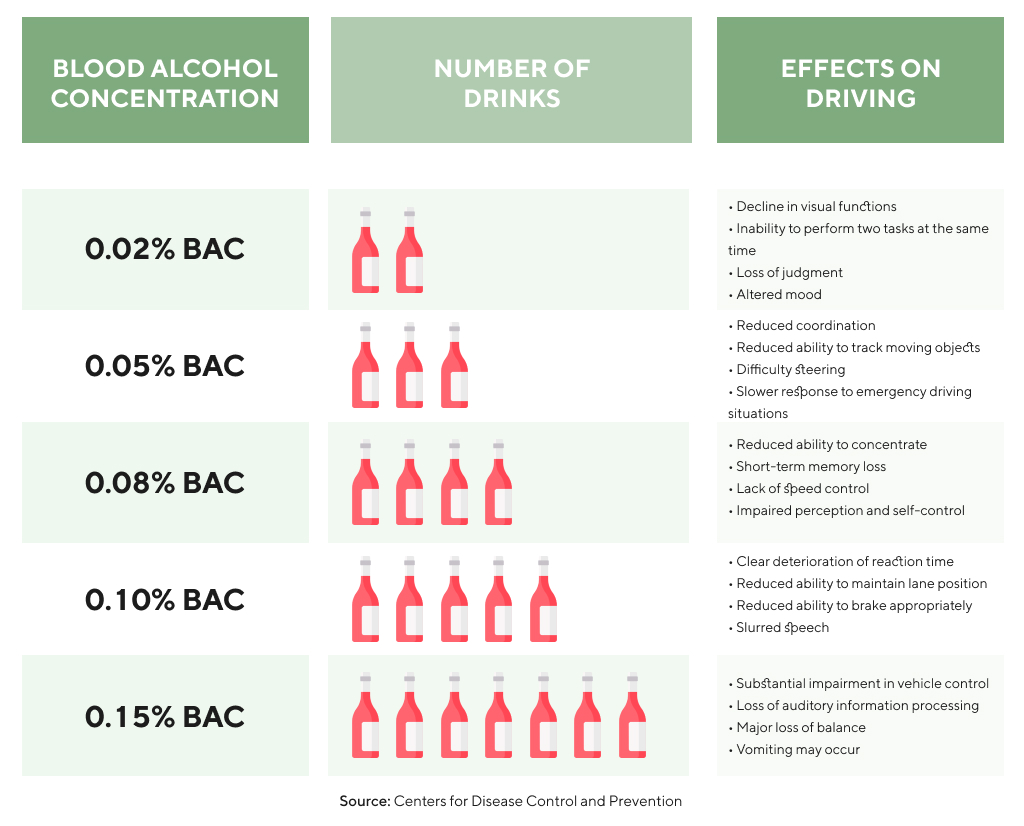
While staying hydrated and consuming caffeine may make you feel more awake, it won’t make your liver process alcohol any faster. If any of the above signs describe you, seek help from a medical detox or rehabilitation facility. Some heavy drinkers develop a dependency on alcohol and are at risk of life-threatening alcohol withdrawal symptoms. It takes around 25 hours for your body to fully break down the alcohol particles, but it can take several days for all the alcohol to leave your body through urine. In some cases, alternative tests — such as a breath, hair, or blood test — may be more appropriate and valuable. A carbohydrate-deficient transferrin (CDT) test can detect heavy alcohol use.